Written from the iDavos team’s accommodation and logistics specialists.
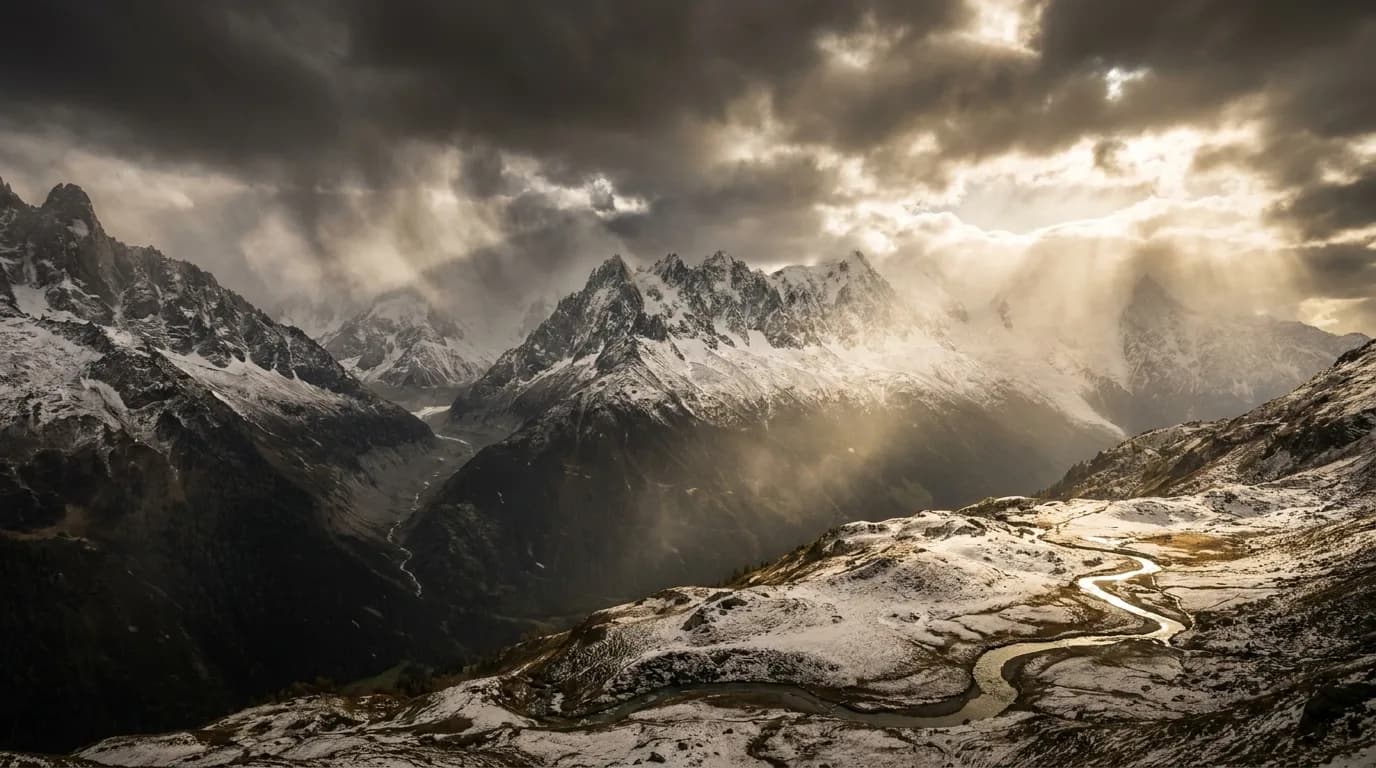
At roughly 1,560 metres, Davos has the climate of a high mountain town: long, cold, reliably snowy winters and short, mild summers. That altitude is the whole reason Davos became a health resort in the nineteenth century — the dry, clear air was prescribed as a cure — and it still shapes when and how you should visit.
Winter (December–April)
This is Davos at its busiest and most famous. Expect deep snow, sub-zero temperatures, and bright, dry days between the fronts. The ski season typically runs from late November or December through April, with the highest pistes holding snow longest. Two fixed points anchor the calendar: the Spengler Cup between Christmas and New Year, and the World Economic Forum Annual Meeting in January. Both push demand — and prices — to their peak, so book well ahead.
Pack for: serious cold, layers, proper boots, sun protection (the high-altitude sun is strong, especially with snow glare).
Spring (April–May)
The thaw. Lower slopes turn green while the high mountains stay white, and the town quietens considerably once the lifts close. It is the cheapest, calmest time to be in Davos, though some hotels and mountain restaurants close for a few weeks between seasons. Good for a low-key visit, less so if you want everything open.
Summer (June–September)
Davos in summer is a different town — a hiking, biking, and lake base under green peaks. Days are pleasant rather than hot, evenings cool quickly, and afternoon mountain showers are common. The lake (Davosersee) warms enough to swim by midsummer. This is the best season for walkers and a genuinely underrated time to come.
Pack for: mild days, cool evenings, rain layers, walking shoes.
Autumn (October–November)
Larches turn gold, the crowds are gone, and the first snow usually dusts the high peaks before the ski season opens. Like spring, it is a shoulder period — quiet, atmospheric, with some seasonal closures.
When should you come?
- For the forum: January — and the only real question is whether you've secured a place to stay. Browse 2027 accommodation.
- For skiing: January–March for the most reliable conditions.
- For hiking and quiet: July–September.
- For value and calm: the shoulder seasons, accepting some closures.
Whatever the season, the altitude is the constant — bring more layers than you think you need, and don't underestimate the sun. Planning a visit and not sure where to base yourself? Talk to our team.